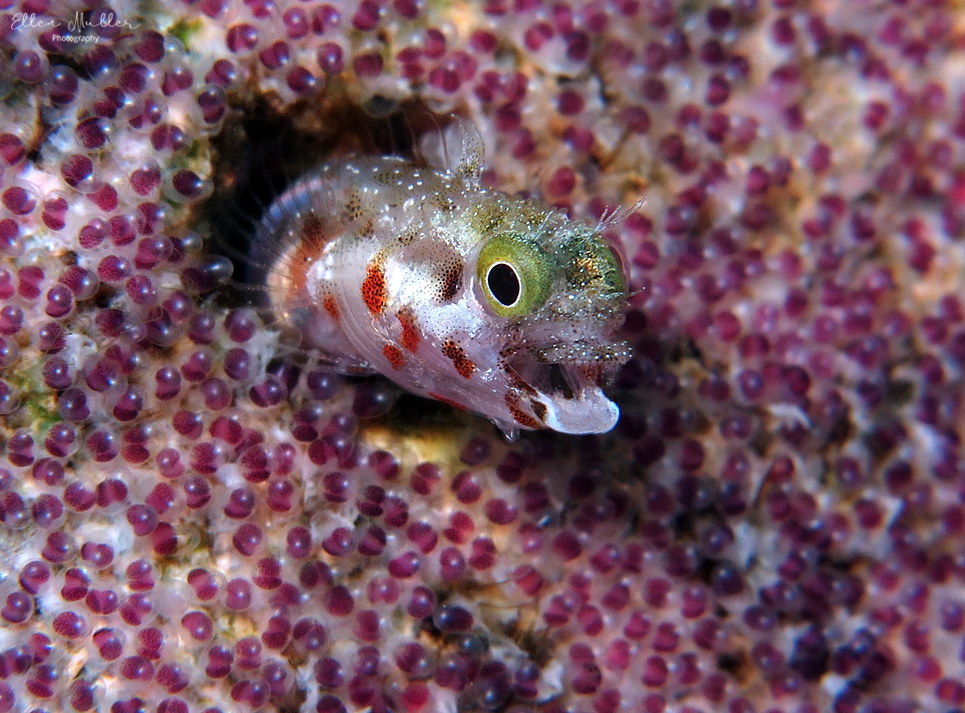
Incubation of Fishes
The released egg is protected by a fairly tough chorion or egg case. Within this the cytoplasm and yolk are […]
Incubation of Fishes Read More »

The released egg is protected by a fairly tough chorion or egg case. Within this the cytoplasm and yolk are […]
Incubation of Fishes Read More »
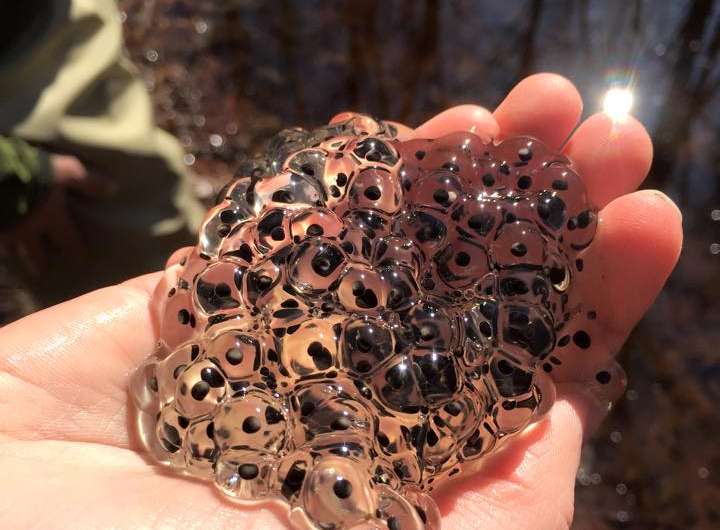
It is not at all clear why some species have evolved a strategy of producing many small eggs, and others
Fecundity and Egg Size of Fishes Read More »
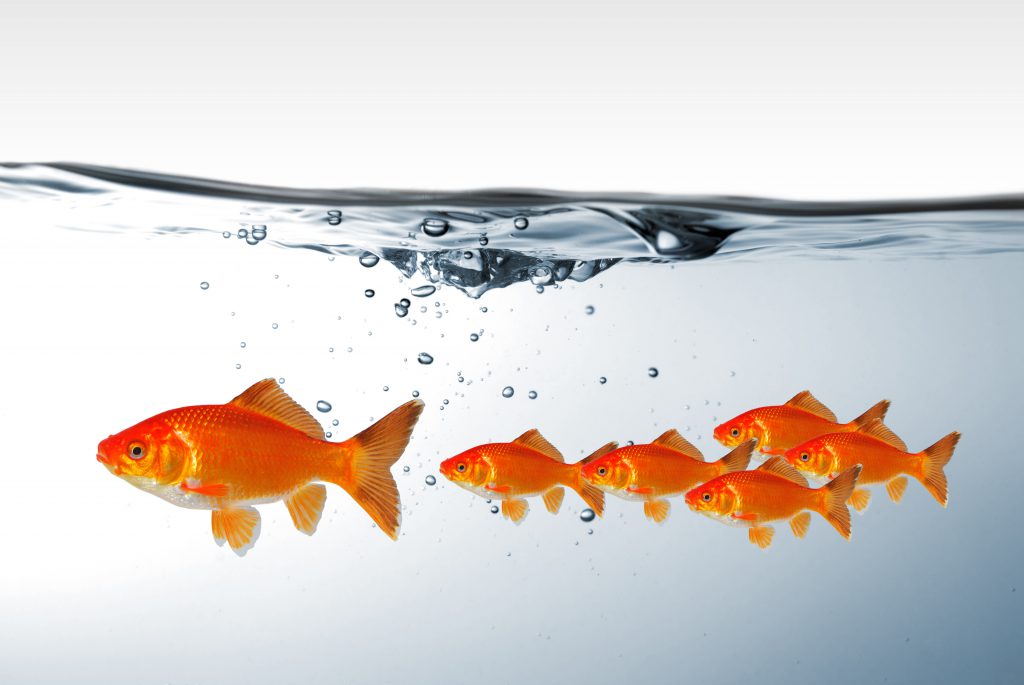
Vertebrates of both sexes possess a germinal epithelium consisting of germ and somatic cells. The gonads are mesodermal in origin
Maturation of Fishes Read More »
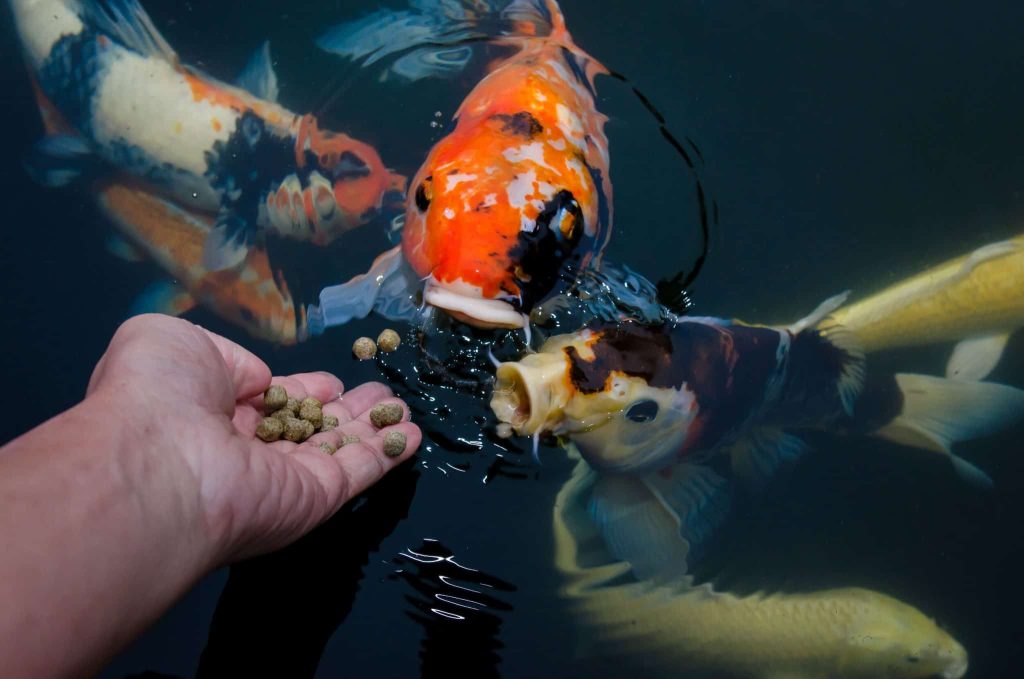
According to Karel Liem (1980) most of the enormous variety and range of foods eaten by fishes is obtained through
Food Capture by Fishes Read More »
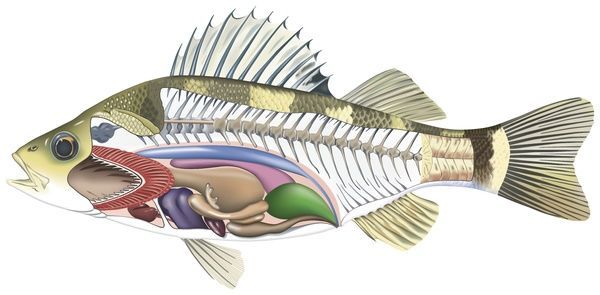
Like other animals, fish possess an array of digestive enymes by which large macromolecular nutrients are broken down into smaller
Digestive Enzymes of Fishes Read More »
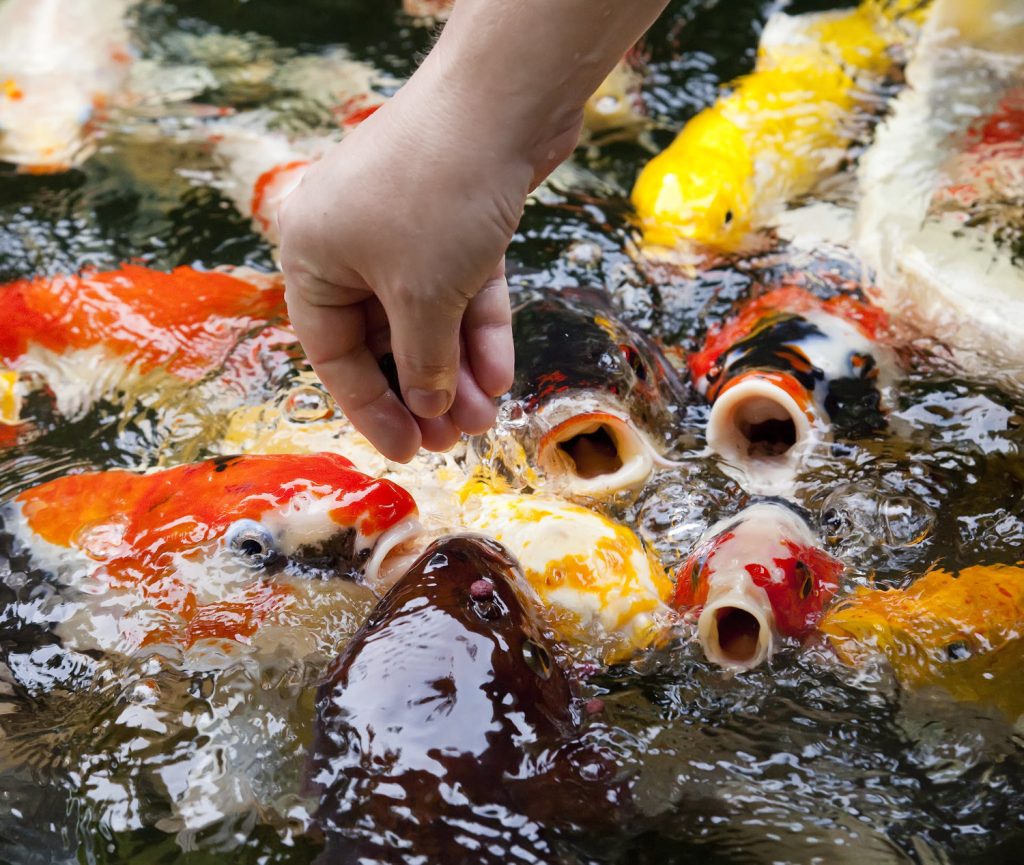
The vast majority of living fishes are predatory. Of some 1100 species of extant elasmobranchs, only 13 (1.2%) – the
Foods and Characteristic Adaptations of Fishes Read More »
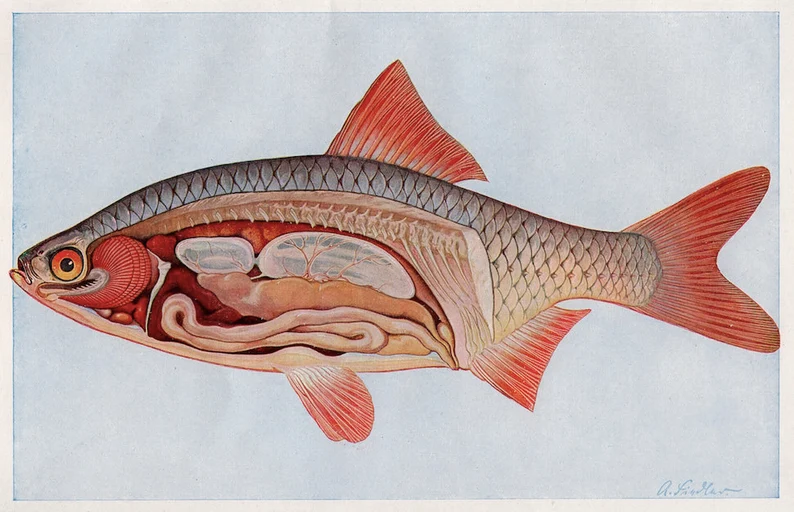
The digestive tract of fishes is divided into four regions: the foregut (esophagus and stomach, if present), mid-gut, hindgut, and
The Digestive Tracts of Fishes Read More »
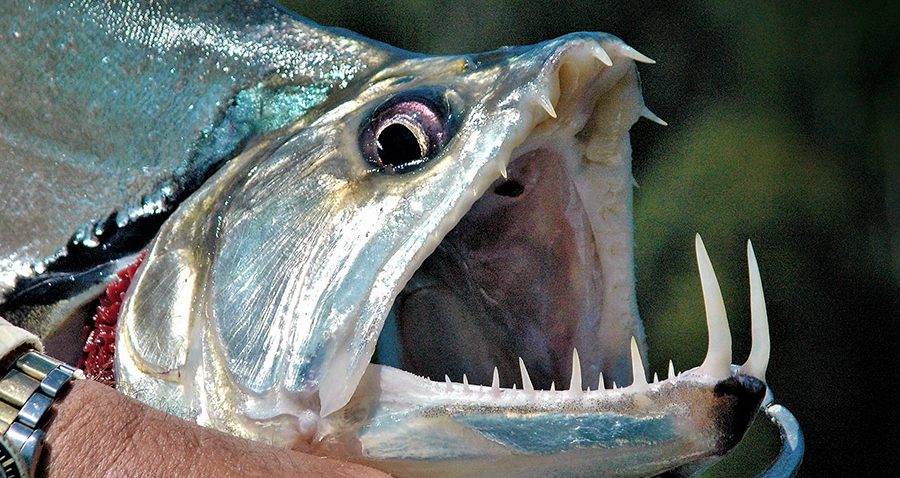
Living Agnathan fishes possess conical, rasping tooth-like structures made of keratin, the same structural protein found in human hair and
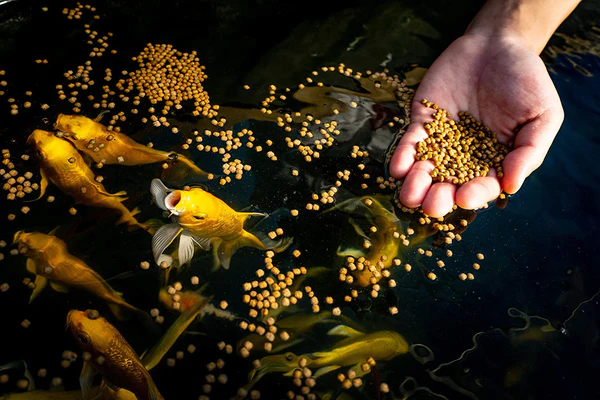
But optimal foraging strategies may not remain identical throughout an organism’s lifespan and many species exhibit a trophic ontogeny or
Food Choices of Fish Read More »
Different fishes live in waters from almost distilled purity, to hypersaline ponds where they have difficulty keeping below the surface.
The Osmotic Problem of Fishes Read More »